Global commitment to ending preventable maternal deaths from postpartum haemorrhage
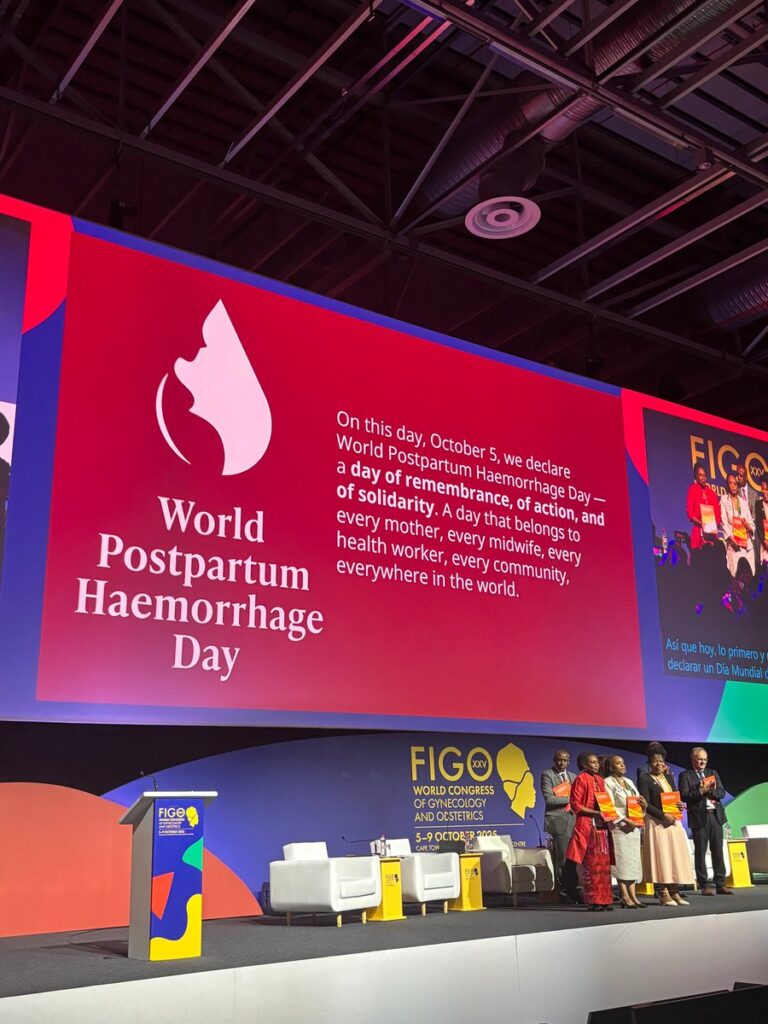
The International Federation of Gynecology and Obstetrics (FIGO) has officially declared 5th October as World Postpartum Haemorrhage (PPH) Day, a historic announcement made during the ongoing FIGO 2026 Congress in Cape Town, South Africa.
This global recognition highlights the urgent need to address postpartum haemorrhage, the leading cause of maternal mortality worldwide. Each year, thousands of women — particularly in low-resource settings — die from PPH, despite it being both preventable and treatable with timely, evidence-based interventions.
The East, Central and Southern Africa College of Obstetrics and Gynecology (ECSACOG) welcomes this declaration and stands in full support of coordinated global, regional, and national efforts to reduce the burden of PPH. As a professional body dedicated to strengthening reproductive and maternal health systems across the region, ECSACOG has consistently prioritized the training of health professionals in emergency obstetric care, including effective PPH management.
Through its curriculum, simulation-based training, mentorship, and continuous professional development programmes, ECSACOG ensures that OB/GYN specialists and frontline providers are equipped to detect and respond to PPH quickly and effectively. The College also supports efforts to improve referral systems, blood supply management, and community-level awareness — all vital components of a stronger health response to PPH.
The declaration of World PPH Day is not only symbolic — it is a call to action. It reinforces the global community’s shared responsibility to invest in quality maternal care, empower health workers, and advocate for policies that ensure no woman dies from a preventable cause during childbirth.
ECSACOG remains steadfast in its commitment to reducing maternal mortality through education, research, and health system strengthening. Together with regional partners and global allies like FIGO, we will continue working toward a future where every woman has access to safe, respectful, and life-saving care.